What if you could experience multiple financial planning firms, real client meetings, and industry experts all in one internship? In this episode, Hannah Moore, CEO of Guiding Wealth Management and creator of the Amplified Planning Externship, shares how a unique program started during the pandemic and quickly grew into one of the most recognized learning experiences for aspiring financial planners.
Listen in to learn how the Externship works, what participants actually do during the eight-week program, and why the community and real-world exposure make such a big impact on career direction. You'll learn who the Externship is for, what skills participants develop, and what to expect this year in terms of timing, pricing, and registration.
What You'll Learn In Today's Episode:
- What the Externship is. (1:30)
- How it can help career changers and those early in their careers. (6:45)
- What you can expect when you start the Externship. (9:10)
- The cost and benefit of joining the program. (14:50)
Ideas Worth Sharing:
“The community is second to none in the Externship.”- Hannah Moore Share on X “We want to provide whatever resource we think will help people be successful.”- Hannah Moore Share on X “People know where they want to land after the Externship.”- Hannah Moore Share on XResources In Today's Episode:
- Hannah Moore: LinkedIn
- The Externship
- New Planner Recruiting - Financial Planner Career Roadmap
- Finding your Path: The Roadmap from Student to Successful Financial Planner by Caleb Brown
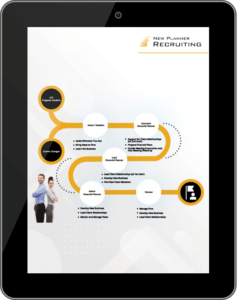 Download your free copy of the New Planner Career Roadmap! In this roadmap, you'll be guided through the details of various stages of your financial planner career, including position descriptions, licensing, skill and experience level requirements, and compensation ranges.
Get the Full Episode Transcript:

Read the Transcript Below:
Welcome to the New Planner Podcast, where it's all about helping you successfully enter the financial planning profession and accelerate your financial planning career. This podcast will help you understand the profession, become familiar with the various career paths available to you, and avoid the mistakes that limit your success. Join your host, Caleb Brown, to explore the human side of creating a successful planning career through interviews, personal experience, and insights from the trenches. Let's get started.
Caleb Brown: Welcome to the New Planner Podcast. This is Caleb Brown, your host. I'm joined today by Hannah Moore, CEO of Guiding Wealth Management and creator of the Amplified Planning Externship. Hannah joins the show today to share how the externship has evolved over the last six years, so we're going on number seven. It's amazing, and then what's in store for this year's program. Hannah, welcome to the show. Great to see you again.
Hannah Moore: Yes. Well, thank you so much for having me, Caleb.
Caleb Brown: Alright, so for some of our listeners, they've been part of the externship, they get it. But maybe for our new listeners and other people who aren't as familiar, can you just explain sort of the genesis of the externship, what it is, and then we can move into how this year is going to be different?
Hannah Moore: Absolutely. So, the externship, it’s kind of a fun story. It's still crazy. Back in 2020, it's like back in those days, 2020 happens.
Caleb Brown: Golden days.
Hannah Moore: I hope those weren't our golden days. We had partnered with FPA at the time, and there was this rumbling about a viruses coming through, like the word "pandemic," and we were all like, I mean, I was in the mindset of, "That's crazy. There's no way our world is shutting down." Well, clearly I was wrong, and the world shut down. We were really looking around and saying, "How can we help the financial planner community? What does that look like? What are the needs that are here, and how can we help with that?"
But we started hearing from students who were like, "I had an internship and it got canceled." And then we started hearing from all these professors who were like, "My students aren't having internships and they need an internship to graduate. What do we do?" And so we were like, "Okay, how can we help this problem? Is there a way for us to insert ourselves and help in this?"
And the first thought was, "Well, maybe we pair them with other firms." And that was a terrible idea because nobody knew what to do. Like, even the best firm out there, nobody had any idea what to do. And so we got a bunch of these students on a couple of Zoom calls and we basically said, "What are you looking for in an internship experience?" All we did was take notes and we kind of order these up. Top of the list was this in-person experience. And we're like, "Okay, well, we have to cross that off. That's just not available in our world today." And then we started looking at it and said, "Okay, let's just reimagine this altogether, of what this would look like."
And so we decided, we had this crazy idea that we could run an online internship the summer of 2020 when the world was shutting down. I mean, this was when we were fighting for toilet paper and Clorox wipes, right? This was the time of it. And so we're like, "Can we pull this off?" And we're like, "Okay, I think we might be able to do this." And so we killed it. It was the wildest, still one of the coolest experiences of my life. We said that we were going to go—we had three weeks of open registration, so we let people know in May that this was going to be open for a June 1st start. It was insane that we did that. And it went viral.
And this is one of the coolest things for me is that this was really a, to me, it was a story of this financial planning community really rallying around students and people coming into this field, of saying, "We want to give them resources." And so it was a free program that first year, and we had just so many people come in. We got into over 200 universities. It was absolutely crazy.
But one of the things that we noticed, we had three weeks open, day four or five, we realized something. We had always thought that we were going to be targeting juniors and seniors in college who had some financial planning experience. And what we realized was that wasn't just who was coming to us. We had high school students, we started seeing career changers, and we were like, "Wait a minute."
So, we went back to the drawing board on even just the curriculum of what we were going to be teaching. And we really wanted to make an eight-week experience, this internship-type experience, make it in a way that somebody who had no experience in financial planning could do it, that people who were juniors and seniors in college who had some experience could do it, and just frankly, something that I, as an experienced planner, would be interested in. I wanted to make something that I would like, I wanna enjoy too.
And so that is kind of how we structured this program. We did it that first year, and it was a sprint. It was wild and so much fun. And people loved the program. We got this huge—I mean, the fear in all this, right, is that you're going to get all of this publicity, you're going to get all of these people coming in, and then it's going to fall flat and not be worth it. And so we really put in the time and energy.
Again, the financial planning community, every year we have over 60 experts in this. So you are hearing from so many different financial planners about what financial planning looks like and all of this. And so now it really is an eight-week program where folks can get—I don't want to say just introduced—but introduced to financial planning. They can see the different career paths, and we really are focused on helping them with that entry point into financial planning.
It has been fascinating because what COVID did for us, 2020 did for us is it forced us to operate differently in the world. It forced us to think differently about the opportunities. I don't know many career changers who can just quit their job for two months and go try an internship and then go back to their corporate job if it doesn't work out. That's just not viable in our world. Like, how many stay-at-home parents are there who can't just go, the traditional internship wasn't accessible to them, but now they have the externship to do this, and it's been really neat to kind of see how this has taken off and lifted.
Caleb Brown: And that's amazing. I mean, the success has been there, just the reach. And it's not only students, though, right? And not only career changers. Don't you have experienced people in the profession going through this program?
Hannah Moore: Oh my gosh, I mean, yeah, I tell people I would take it every year because every year it makes my practice better. It makes me better as a financial planner. I might not do every single piece of it, but I was talking to somebody like two weeks ago and she was like, "Yeah, I did that in 2020. I was working at a firm." And she's like, "But I remember really doing eMoney and diving into eMoney in a way that I had never done before." And I was like, "Wait, you were working at a firm," and we were doing more in-depth eMoney than she was doing at her firm and helping train her for that. And she's like, "Oh, yeah. It helped me so much to do that."
And so we're seeing a lot of folks who are early in their career. Again, gosh, I like to say 15 years, but I think it might be pushing more than that.
Caleb Brown: We’re not "early in career" anymore.
Hannah Moore: We’re not "early in career". I'm hitting mid-career, but you know, I still learn things from this. And so we focus so much on showing the different dynamic sides of financial planning and what does this look like? And I know we'll get into what is in the program, but it is just a really neat, obviously, learning program, but the community is second to them. It is one of the coolest things that I've seen.
Caleb Brown: Yeah. The cohort stuff that people, I mean, a typical year, how many people sign up for this?
Hannah Moore: We had over 2,000 last year.
Caleb Brown: That is crazy. I mean, that’s amazing.
Hannah Moore: What's so cool, Caleb, is that when you go through, so we ask when people sign up, we’re like, "Go introduce yourself." And I'll just spend hours—actually, it probably is hours—just going and reading people's stories and their backgrounds. And what's so cool for me is that everyone is coming from somewhere different with this dynamic, different background, all with this shared vision of: "How can we help people with their personal finances?" And I don't know about everyone listening, in my personal life, people are like, "Wait, you like to talk about money? Like, what?" For all of these people to find other people who have this similar passion, it's pretty cool. There's some magic that happens with that.
Caleb Brown: And then you alluded to sort of the 60 guest speakers, sort of professionals that come in. Then you mentioned the eMoney. So maybe just walk us through just kind of the curriculum.
Hannah Moore: So it is an eight-week program. We start the first Monday in June. I think it's June 2nd, first or second, I might get that wrong, but we start the first Monday in June, and it is four weeks, we have a break week, and then we have four more weeks.
What we do is we really dive into each financial planning topic. So first week is this onboarding, client communication piece. Second week is cash flow. Third week is retirement planning. Then it's investment planning. And then we actually have student loan and college planning. Again, this is one of my personal things, I'm like, "This is a huge area we need to know about for financial planners.” Then we then have tax planning, insurance planning, and estate planning.
So each one of these topics is a week that we're going to be diving into and really looking at what does this mean in the context of financial planning. And so we bring in three experts who share what it looks like. They're going to share who their clients are, how they serve them, and how they do the work that they do as financial planners. And like these professionals are, first of all, incredible, but they're all so different from each other. There is not just one way to do investment planning or one way to do tax planning. You're going to hear how who they serve shapes how they do planning. They're so generous. They share deliverables with you. You get to actually see what this looks like. We want you guys to see and touch what financial planning looks like and feels like on a day-to-day basis. They come back for live office hours on Wednesday.
There's a couple of other pieces that we have. The next is we share real client meetings. You are going to get to see financial planning beginning-to-end with a client. And so we have a really, really fun client to show you. We actually have two clients we're going to be showing you this year in the externship. Both of them, I was like, "Oh my God, I can't believe I get to show this," showing how financial planning impacts somebody's life.
One of the things with this client, I was just going back and working through some of the things, so many people are like, "It's just investment planning." You're going to see that these clients, they have a complex life, and you're going to see how investments were like. I just reviewed meeting number one, weren't even talked about, hardly at all. You're going to really see how planning impacts somebody's life.
And then the other case that we have is two folks who have student loans. They each have about $120,000 to $150,000 of student loans, and you're going to get to see some fascinating ins and outs of the student loan world and their situation. But you are going to see that from beginning to end of what does this look like and how does a process evolve over time with a client, right? It's not just, "Let me get your documents, let me spit out a plan." This really is this ongoing relationship.
But—I'm getting off on a sidetrack. We have these client meetings that you guys get to watch, and then we have you guys build the plans for them. So you will be in eMoney, really working through eMoney, and understanding the software and getting an idea of what day-to-day software looks like. We're building out the scenarios, what you're seeing in the meetings, you're basically doing the work that you need to do to prepare for that meeting. And so we have all this built out with eMoney. We actually have five technologies that we're going to be diving into this year, some new ones, which is really fun. We have eMoney, we have Redtail, we have Holistiplan is our new one that we're bringing in this year, we have Nitrogen, and then EncoreState. And so you're going to get access to all these technologies. You are going to get in there and see what this looks like.
So you see the client meetings, you get to build the plans, and you're in the software with me. And if you guys have never done the software, don't worry, we know what we're doing. We'll help you get through this and really learn it. And then we also have what we call these "level up" sessions and live sessions where we really have this filter of, we want to provide whatever resource we think will help people be successful. And so you're going to hear about different resources that are available. Sometimes we talk about niche firms to really, again, just add more color to what financial planning is and what are all the things that we can do around financial planning, because there are so many people in this country that need help with their finances, and we want to make sure that people see, like, “Oh, this is how it could fit with the people that I want to work with.” That's just really important for us.
Caleb Brown: All great stuff. I mean, it really is a full immersion into the profession. I mean, just listening to you talk about it, it's amazing. I wish I had this when I was doing my internship a long time ago, right.
Hannah Moore: Caleb, I spent my internship scanning. I mean, you take what you can out of it. And the other piece that's really interesting is most of the people, I don't want to say all, but a lot of the people who take the externship are doing this on top of day jobs. So we're seeing folks who are, the interns doing this in the evenings or doing it as part of their internship. We're seeing more and more of that.
Caleb Brown: So it’s an asynchronous program?
Hannah Moore: Asynchronous, yep. We can see who's on the website, and there have been times where we'll log in at like one in the morning and be like, "Oh, there's 10 people working right now." So it's kind of fun. We feel a connection to those people because we’re like, we get it, we get it. But yeah, it's completely asynchronous. We have live calls. Those are turned around very quickly and placed on the site. We have a great community. We've done a lot to really make sure that this is a really, really good experience for folks.
Caleb Brown: And you also get—you were kind of going through the highlights—but you also get CFP work experience hours, correct?
Hannah Moore: Yes. You get 500 experience hours for the CFP on the standard pathway.
Caleb Brown: And then just talk to us about, I think you said at the beginning, what started out as a free program. Now there's a cost. What is the cost?
Hannah Moore: So this year it's $447. If that's an issue, we have scholarships lined up. Go to our website and fill out the scholarship form.
Caleb Brown: Yeah, that's great.
Hannah Moore: And if you're a student and you're like, "Wait a minute," talk to your professors and tell them to reach out to us. We're working with a lot of universities right now on this as well.
Caleb Brown: I mean, what I would say is, and again, probably a little biased here, if you can scrape up the $450, the return on that is going to be massive. It might be hard for you to quantify, but pull the money together. Like Hannah said, if you can't, reach out to guys like me or your professors and see if there are scholarships. We don't want there to be financial barriers to doing this or, and frankly, just getting into the profession. You can go to the CFP Board's website and all this money and all these scholarships that they have for taking the CFP exam and the education. This is a generous, helping, caring profession, and we don't want there to be any barriers.
Hannah Moore: One of the things I often say is there are so many people who are rooting for your success. It can be hard when you're in the thick of it or like, you can't see it all the time, right? But there are so many people who want the people listening to this right now to be successful. And I think it’s really these resources.
The other thing that I'll say on the externship for folks who are coming in, one of the most valuable things that I see happen is that people know where they want to land after the externship, or they have a better picture of where they want to be. Because one of the things that always concerns—not concerns me—or I'm always worried about is people who come in and get in the wrong spot. They want to go on the lead advisor track when maybe that's not what they actually want to do, or they get in the wrong kind of environment. We really walk through so many different business models and who is this good for, and who is this not? And helping people know like, we want your first—I know your first job might not be your forever job. Like, I’m not naive about that, but we want you to be going in the right direction. And that's been what's really cool when we hear some of the feedback from the externship. People are like, "I thought it was this, but actually I'm going to go over here." And I'm like, "That, to me, is such a win."
And then you're just able to hit the ground running when you get started at those firms. We are having one to two firms a week right now reach out to us asking to sponsor the externship because they want to hire externs. Because they just know the training, they know that they're going to know eMoney and have this baseline knowledge when they come out. So it really is—we are very focused on skill development, not just textbook learning. This will be about how you build skills to hit the ground running day one.
Caleb Brown: And I've seen that as well in the recruiting business, people that have gone through the program just have a much better understanding of what's going on, where they might fit, where they're going to have success, and it just catapults their career. Everybody's going to end up getting to where they want to go, but it just catapults these people's careers. So again, I would encourage you to check out this program. We're going to link to the registration and all the information in the show notes. Hannah, as always, this is a lot of fun. Thanks for changing the profession for us all. I mean, 2,000 people, I mean, that's amazing, you’re helping people. Is there anything else, before we close out, anything that you want to share about the externship, or anything else?
Hannah Moore: No, just if you guys are thinking about this—this is what I always tell people—if you're thinking about this career, this is such a good place to start. And if you're like, "I'm not sure if this really is for me," that often means, the fact that you're asking that question means it is worth exploring more. You can just dive in from the comfort of your couch and see if this is a good career for you. We need so many people coming into this field. We need so many planners. We need people. There are so many people who need financial planning advice that don't necessarily look like the traditional advisor, right? Like the unique skills and unique life experience that you have really does matter in this field.
Caleb Brown: Hannah, thanks for helping.
Hannah Moore: Yes, thank you for having me and for everything that you are doing. We were just talking beforehand. I’m like, “Caleb, I'm so glad you have this podcast to help people like the career paths,” and all of that and helping, I mean, obviously place people, but really helping them understand like, what does this look like?
Like what, what is possible? 'Cause I think that's oftentimes some of the magic of when things happen.
Caleb Brown: Thanks for coming on, Hannah.
Thanks for joining us for this episode of the New Planner Podcast. If you are ready to discover the top career paths for financial planners and see which track is best for you, we created a free guide to help you. Grab your copy of the Financial Planner Career Roadmap at newplannerrecruiting.com/roadmap. There, you'll also find more tools and resources all created to help you build a successful financial planning career. Tune back in next week for another episode, and until then, we are here to help you succeed.
Share the Love:
If you like the New Planner Podcast...
Never miss an episode by subscribing via Apple Podcasts, Spotify, Amazon Music, YouTube Music, or by RSS!



Leave a Reply