Andrew Sivertsen is a shareholder and Senior Financial Planner at The Planning Center, Inc., and he joins the show today to share how he found financial planning through one of his siblings and has never looked back. If you're interested in discovering financial planning through a non-traditional path, balancing work and CFP coursework, or growing into ownership and leadership within a firm, this episode is for you!
Listen in as Andrew shares how he began his career studying biology before finding his way into financial planning by following in his brother’s footsteps. You'll hear how he started in a part-time role, transitioned to full-time work, and balanced going back to school while earning his CFP designation. Andrew also reflects on developing both technical and client-facing skills, becoming a shareholder, and how he now gives back by mentoring newer planners at his firm.
What You'll Learn In Today's Episode:
- Andrew’s background and early career path into financial planning. (1:45)
- How he worked his way up to eventually becoming a shareholder at his firm. (8:50)
- One of the biggest lessons he learned along the way. (13:52)
- How the firm retained its culture and values while growing. (15:30)
- Andrew’s involvement with the Financial Planning Association (FPA). (18:45)
- Advice to career changers and aspiring financial planners. (20:45)
Ideas Worth Sharing:
“I didn't even really know a career like this existed.” - Andrew Sivertsen Share on X “It just felt like a good alignment between my skills and gifts and working with people.” - Andrew Sivertsen Share on X “I had a good balance of really being curious about individuals and really enjoying learning about what makes them tick.” - Andrew Sivertsen Share on XResources In Today's Episode:
- Andrew Sivertsen: LinkedIn
- Finding your Path: The Roadmap from Student to Successful Financial Planner by Caleb Brown
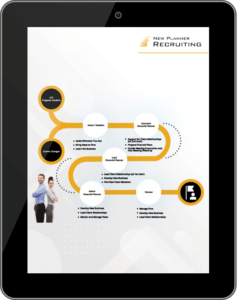 Download your free copy of the New Planner Career Roadmap! In this roadmap, you'll be guided through the details of various stages of your financial planner career, including position descriptions, licensing, skill and experience level requirements, and compensation ranges.
Get the Full Episode Transcript:

Read the Transcript Below:
Welcome to the New Planner Podcast, where it's all about helping you successfully enter the financial planning profession and accelerate your financial planning career. This podcast will help you understand the profession, become familiar with the various career paths available to you, and avoid the mistakes that limit your success. Join your host, Caleb Brown, to explore the human side of creating a successful planning career through interviews, personal experience, and insights from the trenches. Let's get started.
Caleb Brown: Welcome to 261st episode of the New Planner podcast. This is Caleb Brown, your host. My guest today is Andrew Sivertsen, who is a shareholder and a senior financial planner at The Planning Center. Andrew joins the show today to share how he found financial planning through one of his siblings and has never looked back.
He talks about starting out in biology and not being sure what he wanted to do, but watching his brother grow and succeed as a financial planner, which gave him a way to get his foot in the door. He shares how he started in a part-time role before going full-time and then going back to school while working full-time to get his CFP.
Stay tuned to the end to hear how he learned the technical side, the client development side, and eventually how he became a shareholder and is now giving back to the newer planners in his firm. I hope you enjoy this episode with Andrew Sivertsen.
Hey Andrew, welcome to the New Planner podcast.
Andrew Sivertsen: Hey, Caleb. Thanks for having me today.
Caleb Brown: Man, this is gonna be so fun. Like this is just a major blast from the past, and I'm glad that we were able to reconnect and I appreciate you wanting to, or being open to come on here and telling your story. And I just wanna start with, because if I remember right, when we were doing all that FPA NexGen stuff, back in the day, like I thought you had gone to school. You had a biology degree or chemistry, or something. You were going to school to be a doctor. Is that right? Or do–just tell us where you started, because I may have gotten that wrong.
Andrew Sivertsen: Yeah. And hard to believe. Yeah. Gosh, I think it's been about 13 years since our time on the NextGen board together.
But yeah, I went to the University of Illinois, graduated in 2004 with a degree in finance. Yeah, I mean, that was kind of always my strong suit was just kind of math, science, problem solving. I mean, didn't even really know a career like this existed. Yeah. I originally set out for a biology degree. It was just kind of pre-med. Didn't really know what I wanted to do. I got far enough along that I went ahead and finished my double major for biology. So, yeah. But, almost–
Caleb Brown: Well done.
Andrew Sivertsen: I don't use that biology much.
Caleb Brown: Okay, so you got, alright, so I was partially right, I guess. So then what'd you do after that? You graduated, you had the finance degree, biology degree. Then where did you go?
Andrew Sivertsen: Yeah, so I mean at the time, like there wasn't a lot of colleges offering financial planning degrees, so I didn't even know this career existed and only a handful had started that at the time.
So, finance, I kind of thought that meant working for a big bank or insurance company or something. Didn't really sound too interesting to like go in some back office as a 21-year-old. So I did work for a few nonprofits for a handful of years, just kind of had a passion for serving others, working with people.
That's kind of when I found The Planning Center was my older brother, Matt Seaverson, who's also a shareholder and partner in the firm. He had started in 2003. So we just kind of started having conversations over the next few years and realized that this whole profession of financial planning, where you can work one-on-one with individuals and families and help them with personal finance, even existed.
And it just felt like a good alignment between kind of my skills and gifts and kind of what I valued, you know, working with people.
Caleb Brown: Yeah. That's amazing. Okay, so wanna help people, love serving people. I mean, do you feel like, let's just, I mean, is that just an inherent, I mean, or do people develop that, or just do people have that, or don't have that? What's your thought there?
Andrew Sivertsen: I think it's maybe a little bit of both, right? You're gonna have your whole spectrum of introvert, extrovert, that doesn't necessarily mean that you don't enjoy working with people. I know introverts can be very good at working with people, but I think I just kind of had a good balance of really being curious about individuals and just really enjoying learning about what kind of makes them tick. Like what their goals are, what their dreams are, and helping to kind of figure out all this planning stuff, to put all the pieces together, was just super intriguing to me.
Caleb Brown: I mean, people that say, and like in the, I mean, “Hey, I wanna serve others, I wanna help.” I mean, they do really wel,l and they, it seems like, always have success in this profession. So just trying to zero in on that. You, The Planning Center, you showed up, you didn't really have any experience, so what did they have you doing?
Andrew Sivertsen: Yeah, it's a great, real great question. Back at the time, Eric Kies was kind of the vice president, Marty Kurtz, kind of president, CEO, who's one of the thought leaders that is now since retired for probably about almost four years. But they kind of put together this like real simple career track, which, kind of, you know, smaller, independent.
Financial planning firms at the time, just nobody really had a career track. Like, NextGen was just forming. I mean, this whole idea of the next generation of planners like being groomed up and I kinda laugh compared to the career tracks and the training that we have in place looks completely different than what I went through.
I'd say a lot of what I did was just kind of like all, I helped out with answering phones. I helped out with setting up accounts. I helped out with submitting distributions and I would do various whatever projects were needed. Back then, like cost basis, like wasn't tracked by custodians.
So we had this whole like system where I had to like, help port over and data input stuff from, 'cause we had switched, like this portfolio management software stuff, and it was kind of weird when that all got dismantled a few years later. Also trading was just so much more manual, like any meetings for the day, I'd pull all the positions and we had these, we call 'em current versus target spreadsheets that I would fill out and then I'd kick 'em over to my brother who ran our trade desk, and then he would go through and kind of figure out which positions were the most out of tolerance and get 'em traded back in, and they would always have to kinda approve that in the meeting, after each meeting.
So that's why you would meet quarterly is so you could get your quarterly rebalance. So just a very different from how we operate today. So the whole gamut of stuff and what I would do.
Caleb Brown: How is that working for you? Because I think your brother was there three or four years. Three, I think three years before you, he was there in, was it ‘04 and you got there in ‘07, something like that?
Andrew Sivertsen: Yeah, he started in ‘04 and I started in ‘07. Yep. Good memory.
Caleb Brown: So, I mean, he's like technically your, I know you were talking with Marty and Eric and they were around the firm, but like he's, how was that working for your brother, being kind of under your brother? Anything there? Any stories?
Andrew Sivertsen: Yeah, I mean, at the time, I never really saw him as like a boss or superior and I think he was just really excited that I was a part of the planning center. So we'd have a lot of conversations. We'd go on runs, I mean. It'd be like talking about what I was learning and like he'd be, “Yeah, hey, here's stuff that we're doing.”
And I mean, I was just really excited about my development and training. Definitely, I think Eric, as Marty was even at that time,he kind of got really involved with the FPA, so he was, kind of during my early years, and then of course ‘08, ‘09 happened. The FPA just kind of asked him, “Hey, we really need you to like, make the rounds, do all these things.”
And so he was serving on the FPA executive board and so he wasn't around a lot. So Eric was, we met regularly. Like, I mean, I definitely reported to him, anything he kind of needed, like, I think he called me magic 'cause he would be like, “Hey, can you know, can you build this spreadsheet?”
And, I could whip up a little spreadsheet or it's just kinda, whatever you needed to do, you would do it.
Caleb Brown: That's great. So diversified skillset, but also sort of a no job is beneath me. Like, “Hey, I'll do that even though I've got a biology degree. I'll create a simple spreadsheet.” Which is really, really cool.
Andrew Sivertsen: Yep, yep.
Caleb Brown: Maybe just talk a little bit more about like, how you, so that was kind of like an entry-level financial planning associate or something, and how you worked your way up to eventually becoming a shareholder.
Andrew Sivertsen: Yeah. Great question. I originally kind of started part-time, like I was just kind of getting my foot in the door, so that's where I was doing a lot of the little projects, like generating CBTs and for trading, the cost basis projects.
Once I got in full-time, like that's when I basically was like, “Hey, this is it. I love it.” Started the CFP through, I took the curriculum through the American College, self-paced, was just kind of blowing through the material, moving along great.
Sat for the board exams and I think I got officially certified 2012. And had already like been doing quite a bit of stuff and pretty early on, I think I became a shareholder in 2013, so. It wasn't, yeah, so I mean, I was pretty heavily involved in a lot of stuff even before I was certified and so definitely I think a little earlier than we would do that nowadays. But, it was a small stake and stuff was already in the works with Eric and Matt had already bought a smaller block and they were getting ready to do another tranche. And so
Caleb Brown: From Marty, they bought that from Marty?
Andrew Sivertsen: Yeah. I think it was, some of it was kind of luck and timing, because it was already in the process and they're like, “Hey, we'd love to have Andrew get a small steak.” Yeah. And so then, from there, pretty much kind of jumped pretty quickly into kind of more of a, so, for a number of years, pretty much kind of just started sitting in on any meeting with, not with all three planners, I mean, would kind of sprinkle around.
Was pretty heavy with almost every meeting with Eric, handful with Marty, a little bit with Matt. I mean, any new cases I was sitting in on, which, when you're shadowing, three advisors can add up pretty darn quickly. So a lot of exposure to clients and probably by end of 2013, 2014 kind of was started bringing on a handful of case myself, right about 20–well, actually it was in 2013, we started kind of acquiring and doing some mergers with several solo offices. We had John Long staff out in Fresno, who's now retired. And J.J. Sessions has kind of taken over that office. We had.
Caleb Brown: Chicago
Andrew Sivertsen: Yeah, Chicago, I think, was like 2015. Well, actually, JJ, I forgot he merged in his own practice in Minnesota. And then moved down to Fresno to take that over. So Fresno and Minneapolis kind happened about the same time, and Chicago, about a year or so later. And then, Jude Boudreaux down in New Orleans, and I think our last one was Nancy up in Anchorage.
So kind of during, we call, I think we call it merger mayhem, between like 2015 and 2017 and at that time, it was a huge opportunity for me because like Eric just had to pretty much run all operations, really step up and help kind of lead the company through a lot of just corporate type stuff.
And so it gave me a huge opportunity to step in and just really take over lead of a lot of the cases that he was working on. And so, yeah, pretty much by 2017 was established as a very busy senior planner, so.
Caleb Brown: Kinda got thrown into it there, it sounds like, just with all the other stuff that Eric had to deal with. And what an opportunity. Yeah. Okay. Any regrets when you look back, like, “Oh, I wish I'd had a little bit more time,” or, “No, I was actually glad to get my back against the wall 'cause it pushed me a little more.” I mean, any thoughts there?
Andrew Sivertsen: No regrets. I mean, every once in a while you just kind of, you kind of wonder, you hear some people that would have these horror stories of various kind of firms or kind of the darker side of the industry, and just you would hear, gosh, how good we had it. And work is work like, yes, you love, hopefully you come to love most things that you do, but there's still gonna be stuff that's hard, right? Things that are gonna be difficult that you don't enjoy and have to do. I call it work for a reason. And so every once in a while, like, “Oh gosh, this is, this really, like, great.”
So every once in a while, you kinda wonder what some of the other industries like, and I never had those horror stories that other planters would talk about and talk just. About how great our fiduciary standard is and all these other things, but no regrets. That was always kind of one was lingering things and, well, is the grass really not as green on the other side of the fence? At this point, I wouldn't ever think about leaving, but 10 years ago, you just kind of, you wondered when we were going through some of those struggles. So one of probably my biggest lessons that I remember learning, like kind of pretty early in my career is I was just starting out as a lead advisor is I would, I'd get to the end of a prospective client meeting and I kind of realized my throat was sore and it was just like, and I was like, “What the heck is going on?”
And I realized, I'm like, “Okay, I'm trying so hard to convince people that they need to work with a planner, that The Planning Center's the best place.” I was trying to kind of show, show my value as an advisor and as an employee that can bring on business.
And it was kind of when I realized that, you know, kind of back to that curiosity to people and how I cared about people that it really changed that whole conversation, because I found that once I was like rather than trying to convince people why they should use the planning center, just getting to know them and being, you know, that mentality of just excited to get to know a new person, a new couple, and hey, what's their history? How did they get here? What are they interested in doing? And all of a sudden it was just a whole different kind of connection. And instead of convincing people like, you could just really build that and wound up finding that, yeah, trying less to convince people was actually the best way to really draw that connection and bring on new relationships. So that was kind of a huge lesson early in my career.
Caleb Brown: And how have you guys, well, two things. I mean, one, you, I think you were able to merge and buy a lot of these, have these acquisitions, just your FPA involvement, FPA contacts. I mean, Marty and Eric and yourself and all the other guys. So that worked out. But the question is like, how did you retain the culture as your, the firm, The Planning Center, has grown through just internal hires, but also M&A. How have you guys retained the culture that Marty originally set forth?
Andrew Sivertsen: Yeah, I mean, it takes a lot of work. Mergers and acquisitions definitely shake up culture, change from what was to what will be, so like everybody has to kind of let go of some things and that's, you kind of realize, and I think probably at the top was the hardest, you know, reflecting back like what Marty Kurtz had to give up. What Maton had to give up, what John Long said, what these owners gave up to become part of something bigger, something greater. We practiced a couple of things. One is from very early on, when we were only like eight or, I don't know what we were, seven, eight people. We would meet once a month in circle from like the art of hosting. And it's just kind of that idea of like, leadership is rotating, we're not like this real pyramid, I mean, you know, top-down type of company.
It's always how can we collaborate, and because everybody at the different levels of the firm see things a little bit differently and have valuable insights, and we've been able to maintain that culture. We still meet in circle, now we've got five offices around the country.
So I know that sounds a little bizarre, like, “Hey Andrew, how do you do that?” But you know, we still meet, we call it circle. We're not sitting around, passing around a talking stick. Although once a year, the company does get together and we still meet in circle.
Now we've kinda had to change it up just so we can kind of still have that small feel. Like a lot of times during our circle meeting, we'll break out into small groups of five, six people, kind of talk about a topic, come back and bring it to the group. So, ways that we've done that.
And the other thing that I think really helped is we've really focused on utilizing the Arbinger Institute and just really helped us like see, you know, people listen to each other, like, that they have a couple of books. One of them is the Anatomy of Peace. Are you, when you're engaging with someone, are you coming with a heart of war or a heart of peace?
And like, if you're prepared for a heart of war, I mean, you're setting up for a whole different kind of cultural conversation than if you're at a heart of peace and trying to understand, “Hey, there's conflict going on and we want, we gotta get to the bottom of it.” But you're coming in knowing that you have a story, but you wanna understand their story first before you just ram in with your story.
So I think those couple of practices really helped the company grow and get past stuff. And I mean, huge kudos to Eric Kies. I know he just like, you know, being at the forefront a lot of that stuff, I think, helped navigate through a lot of those storms.
Caleb Brown: It's great stuff. Let's talk about your FPA involvement a little bit, 'cause that's where we kind of got, I'd known Marty and Eric and some of these other guys, and then we worked together on the NextGen leadership. Why get involved in all this FPA stuff when you're over here trying to help Eric, and build a firm and take care of your clients, and then what did you get out of it?
Andrew Sivertsen: Yeah, so I mean, from very early on, we're in the, you know, Quad Cities, which is kind of a small urban community, maybe about a quarter of a million people in the metro area. For a lot of people, it's probably a flyover city, right? That is kind of in the middle of the country.
I think it's important to network with peer planners and especially when you're an independent company. And so being kind of like out there, we just didn't really have, I know the Financial Planning Association has a lot of great chapters, state-run chapters that people can connect with.
But where we're kind of at, we're a few hours from Chicago, so to go to a Chicago event for the Illinois chapter was a bit of a drive for us. And then Iowa kind of met more middle of that state. So we just kind of felt like we were kind of out there with not a great local presence and so just got really involved with the National Financial Planning Association.
And you could tell that there was a lot of people who were trying to further the profession. You had Dick Wagner, who wrote “To Think…Like a CFP,” kind of took us from like 1.0 to 2.0 and then you have like Susan Bradley and the Financial Transition Institute and Carol Anderson with money quotient. Just a lot of things just kind of moving, and I know I'm missing a ton of names, but it's just incredible to be at these conferences and you're networking with really the thought leaders who you're reading articles in the Journal of Financial Planning and all these things that was pretty incredible. And you could tell, like the planning center, we were doing something special that a lot of firms just hadn't really done yet. And so I just said, “Gosh, I want to get involved. Like, here I had the bare bones framework of a career track.”
Was just passionate about getting new planners into the profession and being able to work with younger clients too. How can we kind of turn like the AUM model on its head and figure out, how can we work with, you know, here we are kind of merging professionals.
How can we work with, you know, we couldn't even work with ourselves. like if you have high AUM minimums and various things. And so how can we kind of create a profession where you can work with other individuals your age? And so just thought we had a pretty cool message. We were doing some cool stuff and just got involved and really loved that my time in NextGen.
Caleb Brown: Yeah, that was a lot of fun. We got all, that was some good memories. A lot of work, but a lot of fun and good to work with you on some of those initiatives that, I mean, are still going today, like the local chapters and the career days and some of these other things.
Appreciated all the work there. I mean, 18 years, I'm looking at your LinkedIn profile, 18 years. This is your 18th year in the business. I mean, when you reflect back on that, what are the top two or three things, or one or two, three things that stand out to you?
Andrew Sivertsen: Yeah, I mean, number one, just really love the firm and model that we're in.
Like, if we weren't fiduciaries, kind of doing comprehensive planning, just charging the way that we charge, I don't know that I could be in some of those other sales models, commission models and various things like, so really just kind of love how we do planning and how we charge and just really probably my time getting mentored from Marty and Eric and Matt.
And yeah, just kind of that, those NextGen days and then now it's kind of been neat, like in recent years, like we've been hiring a lot more young planners, so we kinda had to go through a little bit of a stretch after merger mayhem to kind of institutionalize, build out like the ops teams and bring in an operations manager and CFO and chief compliance officer and all the things that advisors were running around doing. And now we're kind of like building a new wave of planners and it's kind of exciting now to kind of start a new stage of mentorship and being a part of that too.
Caleb Brown: Now you're the old guy. Hey, we’re about to run, but one last thing. Any, maybe one takeaway, 'cause, and I'm putting you in the career changer category, you may not agree or like that, but for other career changers, what would you tell them to how to get in the business and have success?
Andrew Sivertsen: Yeah. Gosh, I don't know if I can call myself a career changer. Getting in still when you're trying to find jobs in your twenties. I think like you just gotta, you just gotta keep at it, you know what I mean? There's a lot of resources, listening to podcasts, hearing the stories of how to get in. Of course, there's great companies like New Planner Recruiting and other folks to really help kind of connect you. I think sometimes, especially if you're like, “I wanna find this independent fee-only fiduciary firm.” The problem is like, they're not hiring all the time, right? Especially if you're in a community like the Quad Cities and so.
I mean, we get a lot of people interested calling us up and it's just like, “Oh, we're not hiring right now. But, we'll kind of, let's stay in touch,” and so you gotta be flexible, be willing to, maybe move around a little bit to get in and also, I think a lot of people have had great experience, maybe starting with the TIA crafts and the Vanguards and the Schwabs and they get great kind of training and then can kind branch out and find a way to go independent if that's what you want, and start your own firms or get in with some firms. But you just gotta, you gotta start getting your experience somewhere. Also, I think it shows a lot of initiative to just jump in and start kind of paying for and working on your own CFP, so don't wait around for, you know, get a job and then get the education.
Like, just start. So, I dunno, hopefully, that answers your question.
Caleb Brown: Great advice, Andrew. This was a lot of fun. Thanks for sort of walking down memory lane with me here.
Andrew Sivertsen: Yeah, Caleb, definitely appreciate having me, and fun to catch up and chat, and hopefully we can do it again sometime.
Caleb Brown: Thanks for coming on the show, buddy.
Andrew Sivertsen: Yep. Take care.
Thanks for joining us for this episode of the New Planner Podcast. If you are ready to discover the top career paths for financial planners and see which track is best for you, we created a free guide to help you. Grab your copy of the Financial Planner Career Roadmap at newplannerrecruiting.com/roadmap. There, you'll also find more tools and resources all created to help you build a successful financial planning career. Tune back in next week for another episode, and until then, we are here to help you succeed.
Share the Love:
If you like the New Planner Podcast...
Never miss an episode by subscribing via Apple Podcasts, Spotify, Amazon Music, YouTube Music, or by RSS!



Leave a Reply