Kelly Metzler Randall is a Principal and Lead Advisor at Burton Enright Welch, and she joins the show today to share how she transitioned to financial planning after earning a chemistry degree. If you're interested in exploring career pivots into financial planning, understanding how to grow within an RIA, or seeing what it really looks like to rebuild your career after a relocation, this episode is for you!
Listen in as Kelly shares how her love of science and math initially led her into lab work—until she realized it wasn’t fulfilling and began exploring business and finance. You'll learn how an internship at a large bank became a full-time role, what motivated her transition to the RIA space, and how she advanced in her first firm before relocating to California and starting over at her current company. We also discuss how her responsibilities expanded as the firm grew, as well as which parts of her career she finds both the most fun and the most challenging.
What You'll Learn In Today's Episode:
- Kelly’s early career in equity research. (2:30)
- How she transitioned into financial planning. (6:10)
- Her entry-level financial planning role. (9:40)
- The growth and challenges in her financial planning career so far. (11:20)
- The advancement and responsibilities at her current firm. (20:00)
- Kelly’s current role and future goals. (22:50)
- Final tips for new planners. (25:00)
Ideas Worth Sharing:
“I was a year into the job when I kind of realized that this was not going to be long-term.” - Kelly Metzler Randall Share on X “For me, it was wanting to make sure that this is something worth pursuing. So let me take some of the courses and learn about it and see if I actually like this stuff.” - Kelly Metzler Randall Share on X “I feel like my biggest hurdle when I started was always age. You’re in your early, maybe mid 20s, and you're working with clients in their 50s, 60s, and 70s.” - Kelly Metzler Randall Share on XResources In Today's Episode:
- Kelly Metzler Randall: LinkedIn
- Nick Murray Interactive
- Finding your Path: The Roadmap from Student to Successful Financial Planner by Caleb Brown
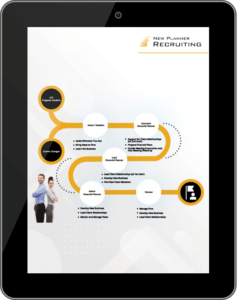 Download your free copy of the New Planner Career Roadmap! In this roadmap, you'll be guided through the details of various stages of your financial planner career, including position descriptions, licensing, skill and experience level requirements, and compensation ranges.
Get the Full Episode Transcript:

Read the Transcript Below:
Welcome to the New Planner Podcast, where it's all about helping you successfully enter the financial planning profession and accelerate your financial planning career. This podcast will help you understand the profession, become familiar with the various career paths available to you, and avoid the mistakes that limit your success. Join your host, Caleb Brown, to explore the human side of creating a successful planning career through interviews, personal experience, and insights from the trenches. Let's get started.
Caleb Brown: Welcome to the 257th episode of the New Planner podcast. This is Caleb Brown, your host. My guest today is Kelly Metzler Randall, who is a principal and lead advisor at Burton Enright Welch. Kelly joins the show today to share how she transitioned to financial planning after earning a chemistry degree.
She shares how her love of science and math led her down a path to work in a lab, which wasn't fulfilling. So she began taking more business and finance courses. She also had a family member in equity research, which led her to interning at a large bank. She shares how that internship turned to a full-time role and why she decided to pursue financial planning at an RIA instead.
She goes on to share how she moved up in her first company and then had to start all over again when she relocated to California and joined her current firm. Stay tuned to the end to hear how Kelly's responsibilities grew along with the company, and what she considers to be the most fun and challenging parts in her career. I hope you enjoy this episode with Kelly Metzler Randall.
Hi Kelly, welcome to the New Planner podcast.
Kelly Metzler Randall: Hi, Caleb. Happy to be here. Thank you.
Caleb Brown: Thank you so much for joining us on a, well, for you, kind of a Monday morning. So starting the work week off right on the New Planner podcast. So here we go.
Well, this is gonna be fun. You and I go way back and I appreciate, again, you coming on and really just wanna start, 'cause if I remember right, you did not go to school to be a financial planner. It was like chemistry or biology or something like that. So maybe just start there.
Kelly Metzler Randall: Yeah, I graduated with a degree in chemistry, but I knew kind of probably halfway through college that I liked my chemistry courses. I liked the math, I liked the science, but it was not gonna be for me to kind of go into lab work or research afterwards. I stuck with a major again because I liked the classes and I liked what I was studying, but I started to kind of take some business courses, econ, intro to finance, accounting, with the idea that I might wanna pursue something more business-related after school.
I had a cousin that worked in kind of investment banking, equity research, and sales. So she's kind of the one that planted this idea of equity research, which is what I ended up going into right after college. I had a summer internship between my junior and senior year, where I was working in New York in equity research at Bank of America in their kind of summer intern program.
And that was a fun experience, kind of being in college and getting to spend a summer out in New York. I went to school in California and grew up in California. So that was just a unique opportunity for me and I ended up getting a job offer with that bank to basically kind of return after graduation and kind of join their new analyst program after graduation.
Caleb Brown: And maybe talk a little bit more about that. Like what are you, we have some listeners that aren't familiar with that. Like, what were you doing as an equity research analyst?
Kelly Metzler Randall: Yeah, so the equity research kind of falls under the kind of banking and global markets umbrella for the big banks. But as an analyst, I was assigned a team.
When I interned, I was with the aerospace and defense team. When I joined as a full-time employee, I was part of the business services team and basically, each of the teams are covering a certain industry, whether it be kind of between 20 and 30 publicly traded companies, you know, following company earnings, modeling out revenue and earnings, talking to management.
They've got connections to CEOs, CFOs, and they're meeting with investors and they're kind of the liaison between the companies themselves and people that are looking to buy that company in their portfolio, whether it be hedge funds, endowments and things like that, mutual funds. Yeah. So I mean, I did a lot of modeling. What it ended up being that I did not know, kind of as a full-time, that you don't get exposure to in the summer program was, it was actually a lot of writing and a lot of marketing. Not quite kind of the analysis that you might think when you hear equity research.
And I quickly realized that kind of the institutional side of things was not gonna be for me. It was definitely great exposure. I mean, being in kind of New York in your twenties, I was listening to company earnings calls. I was sitting in meetings with CFOs and CEOs of publicly traded companies.
I was going on the road with some of them. So to be kind of in your early twenties, probably not qualified to do some of that stuff. But it gave me insight into kind of the investment industry, and learn a lot that way.
Caleb Brown: Well, I mean, and maybe it got you more comfortable with these ultra high net worth, affluent business people. I mean, is that fair to say?
Kelly Metzler Randall: Yeah, I mean, I think probably being in my early twenties, I was probably a little bit like, I don't know, naive is the word to be around that, but I would say kind of what I took away was kind of the investment exposure that I had and kind of being around mutual fund managers.
And that was the experience that I think kind of helped shape my early career path.
Caleb Brown: Got it. So you knew so institutional, like, so the business-to-business wasn't kind of the best fit. So you were looking to go from B2B to B2C. So then did you pivoted into something else?
Kelly Metzler Randall: Yeah, I would say I was probably about like a year into the job when I kind of realized that this was not gonna be for me long term.
I still like finance, I still like business. So I started to explore what other career paths and financial services, or some finance-related, would give me more kind of fulfillment job-wise. And I honestly think I was just doing some like Google searching and came around financial planning, looked into it more.
And in getting ready for this call with you, I kind of looked back through my emails and saw more legwork than I kind of remember. I had gone to an FPA event in New York that I think was geared more towards consumers, but Nick Murray was a speaker that time, so just kind of learning about the profession.
My dad had a financial planner at the time having a call with him, and then I looked on the FPA advisor website and looked for advisors in New York and reached out to them to have calls with them. Again, just to kind of learn about what they did, ask about how I could get into the field. I do remember having several calls with people, and that's a nice thing; people were willing to kind of share their experience, offer up advice, and what I got from those calls was if this is something you're interested in, you should really start looking into this CFP designation.
So with that, while I was still working full-time at B of A. I started taking the CFP coursework on my own time. So after work on weekends, I would kind of do the self-paced education program. And I would say once I got about halfway through that coursework, I started looking for entry-level jobs. I felt like at that point, okay, this is material that's interesting.
I felt a little bit more confident in having some knowledge about the industry to kind of go and find an entry-level position. And I was able to find a position, kind of as a financial planning associate at a wealth management firm in New York. I got lucky. They were an RIA, they were fee only and they were part of NAPFA and that was kind of the stepping stone for getting that hands-on experience and really kind of learning and understanding what this profession was.
Caleb Brown: I wanna come back to that, but just something you said. I mean, maybe just talk a little bit more about pursuing the CFP designation while you were working full-time in the other career, because I still get a lot of career changers who are like, “Well, I'm not gonna do anything until the CFP, till I get hired.”
And I just want them to hear from you, like how you did it and why you did it that way and how it helped you.
Kelly Metzler Randall: Yeah, I mean, I was working in finance, so I had some kind of investment experience, but I really didn't know about financial planning. I mean, I think my first job, I wasn't even contributing to the 401(k) when I started on my own.
That was just, yes, I took a personal finance class in college, but that's not really something you learn in school. So for me, it was wanting to make sure that this is something worth pursuing, so let me take some of the courses and learn about it and see if I actually like this stuff. And then I guess the second piece, which for me, it's something that I still look for, if we're interviewing, I wanted to be able to show that I've got this demonstrated interest in your field and I've proactively done things on my own to show you that I'm interested in it. I'm willing to kind of spend my own time, my own money on the CFP program and I'm serious about pursuing this.
Caleb Brown: Okay. Got it. So you found it, and maybe I missed this. Did you say exactly how you found the job? Is it through all the calling and the reaching out or how did you find the
Kelly Metzler Randall: No, actually, I ended up finding the job just on one of the job boards. I don't know if it was okay, D or what else was out there, but I was just kind of had my eyes out and yes, they were looking for kind of an entry-level financial planning. They called it financial planning associate. It was a little bit of a hybrid between some client service work and then more of the kind of financial planning support role.
Caleb Brown: Okay, got it. So you started a true entry-level role. How was that shift going from a huge Bank of America firm to this, what I'm gonna assume is a smaller registered investment advisor firm.
Kelly Metzler Randall: Yeah, I mean it was definitely smaller than what I was coming from, but even when I was working at Bank of America Equity Research, ROTE, I was working with three other people on a day-to-day basis. Yes, you're under a large bank, but you know, your daily interactions are just with a handful, a handful of people.
Caleb Brown: What were you doing, you were doing a lot of CSA and then like associate planner type work. Can you just talk about some of those responsibilities?
Kelly Metzler Randall: Yeah. Some of the client service work was money transfers, account opening forms, kind of the paperwork, beneficiary designations. So doing that.
But then, on the planning, it was entering data in their financial planning software, doing analysis. I feel pretty fortunate. I sat in on a lot of client meetings from day one. That was huge. That was a lot of how I learned, just sitting in meetings. I also worked for an advisor, a senior advisor who was one, a great mentor, but also very knowledgeable on the planning.
So I just learned a lot through him by sitting in on meetings and over time, started to take on more responsibility with the simpler clients, being able to kind of work solo with them and then being kind of more of the second chair to him on more of the higher net worth or the complex clients.
Caleb Brown: If you remember, how many months into the job were you when the light bulb went on? Like, “Oh yeah, this is it, this is what I was looking for.”
Kelly Metzler Randall: I would say probably like the first several months or so. I mean, I remember, I don't remember exactly, but I do know it was like before I hit a year where I basically kind of got feedback that I was doing well and they were gonna give me, I don't know what it was at the time, maybe like 10, 15 clients or so, to start kind of taking on my own. So I feel like that was kind of the recognition that this is a good fit, this is working, and we're gonna increase kind of your responsibility.
Caleb Brown: And then the transition from being the support person to now having the 10 to 15 clients on your own. I mean, any fears, any uncertainties, I mean, any challenges that you overcame there?
Kelly Metzler Randall: Yeah, I mean, early in your career, especially, I feel like my biggest hurdle when I started was always age. In your early, maybe mid twenties and you're working with clients in their fifties, sixties, and seventies.
So for me, that was always kind of internally my hurdle. How am I gonna demonstrate to these clients that I know what I'm talking about when they have so many decades of life experience that I don't?
Caleb Brown: And how did you do that?
Kelly Metzler Randall: Just over time. I mean, for me, I think some of my strengths are on the technical side of planning, so being able to demonstrate that with clients over time builds trust that yes, I do know what I'm talking about. I had resources behind me if there was something that I didn't know. I was able to get help or seek advice about how to handle certain client situations. And then the biggest thing was just time.
For the meetings that I did sit in with someone else, just learning from them about how to handle the tough questions, how to navigate, it's a personal business. You're dealing with individuals, you're dealing with families. There are tricky things that come up. And seeing how someone else that's more seasoned handles that is also another way that I learned.
Caleb Brown: So you just kept working your way up at that firm and then, is that right? And then what happened?
Kelly Metzler Randall: Yeah, it was there for a little over five years. So that firm was in New York. I grew up in California. I went to school in California and there was always kind of part of me that thought I'd come back.
There were also some fit issues. The firm was pretty investment-oriented, actively managed mutual funds. They did in-house stock portfolios. They did do good financial planning, but I always felt like the financial planning kind of took a backseat to the investment. And that was just the way that the firm was structured and how they built with kind of the investments first.
So when I was looking to relocate, there were kind of two things that I knew very strongly that I wanted to find in a new firm. It was a firm that put financial planning first, and that was a little bit more passive on the investment philosophy.
Caleb Brown: And I mean, just your definition of passive,
Kelly Metzler Randall: Not actively managed mutual funds. Not trying to say we're gonna beat the market with our fund selections or stock selections, but rather markets go up over time. Let's capture market returns with a diversified portfolio. Let's be conscious of risk and make sure that your asset allocation is gonna be appropriate when markets are good, but also when markets are bad.
Caleb Brown: Got it. Okay. So you found that you relocated back to California Bay Area and you found a new firm. So just how did you know that firm was a fit?
Kelly Metzler Randall: Through conversations. I mean, you were the one that had introduced me to the firm that I'm at now, Burton Enright Welch, and that you and I had conversations about kind of the philosophy that I was looking for.
I do think kind of there's more West Coast firms and I don't know if it's changed that kind of have more of the passive investment philosophy, but I chatted with Jeremy Welch, kind of talked to him about what I was looking for, and there was an alignment on the philosophies of, you know, very planning heavy, planning is where we can add the value to clients. Investments are obviously important. You're managing portfolios for clients and that's how they're gonna build their wealth. But we're not out here to tell someone that we're gonna be able to do better than what the market in general does over the years.
Caleb Brown: And you've, so you've been there a little over six and a half. I mean, just maybe work, where did you come in, what level, and then what have you worked your way up to?
Kelly Metzler Randall: Yeah, I came in at an advisor level, so I'd been at the other firm for five years and that was kind of a tricky situation to be in, where I was working with my own clients at the time; they belonged to the firm, but I was working solo on many clients. And now I'm trying to relocate, but I don't have clients to take with me.
But I'm also not starting out in a support role again. So, that kind of does limit your windows with people that want someone either experienced but with a book or more business development skills, which I didn't have, or also trying to navigate, well I'm not exactly entry level because I do have this experience, how can you kind of fit that in?
So, I guess my title when I joined BEW was advisor, but I was, I mean, I had no expectation of walking in the door at the new firm and expecting them to hand me clients. So I knew going into it that I had to, one, take the time to learn the company philosophies, how they work, their style, that I would be sitting in with other advisors, getting to know their clients and supporting them, and had the expectation that over time I could kind of demonstrate my skillset and take on more responsibility over time.
Caleb Brown: And how did you do that? I mean, was it on the technical or the management or the business development or maybe all the above?
Kelly Metzler Randall: I would say like the technical was definitely, again, that's kind of my strength, so I feel like that's where I can show off
Caleb Brown: Chemistry major, right? It's like, come on. Like that's kind of
Kelly Metzler Randall: And I had good financial planning experience at my prior firm, so you know, being able to run retirement plans, being able to walk clients through the end, answer a lot of questions. I did come from a firm that was investment-oriented, so I was fluent on the investment piece as well. So yeah, I could come in and sit in with clients and be able to do a financial plan for them. And that's probably where I started, being able to kind of demonstrate what I know planning-wise and help some of the other advisors with the planning piece.
And then again, it's just kind of, it was a matter of time to have the other lead advisors, senior advisors, kind of see what work I could do and gradually take on more responsibility.
Caleb Brown: Talk about the bicoastal piece, if you would. I mean, you're in New York City, then you move to kind of Stanford, like different clients that you're working with. I mean, is that right? I mean you had different clients or was it just kind of mostly the same?
Kelly Metzler Randall: In terms of just like
Caleb Brown: Well, I mean, I'm just thinking like you got heavy equity comp in Silicon Valley. Like, I mean, was there a big sort of bifurcation, like, yeah, I mean I kind of was working with a whole completely set different set of clients types.
Obviously, the people are different, but the types where it was could have been all business owners or all Wall Street people over here in New York. And then it was all equity comp people. That's what I was getting at. Anything there?
Kelly Metzler Randall: I mean, it's not too different. I mean, the firm that I worked with in New York was a lot of professionals living in kind of New York City or some of the surrounding suburbs, if they had kids or families or if they were retired as well. And then I would say, where we are in the San Francisco Bay area is probably not as tech-heavy as some of the other areas in the Bay Area. So yes, executive comp and equity comp, we definitely have clients with those, but that's not the majority of the work that we do.
Caleb Brown: Talk about just also how your roles and responsibility and just like how they have increased and changed since coming in as an advisor and now as a lead advisor and a principal.
Kelly Metzler Randall: Yeah, I mean, so again, starting out as taking on more responsibility with clients, becoming kind of the primary point of contact and kind of owning and managing the client relationships.
I would say from the firm side, that's another big piece where I've been able to take on more responsibility. I'm now on the firm's leadership committee and my functions that I kind of oversee are advisor development and financial planning. So I'm part of the leadership team that meets roughly every two weeks or so.
We're kind of in charge of firm strategy, making sure that clients are receiving the best possible advice from us that associate advisors are kind of learning and progressing in their career track, that there are growth opportunities, making sure that the client experience is as best as possible and that a client working with any advisors’ kind of receiving similar client experience, a similar level of planning and advice from us as well.
Caleb Brown: And now you're, don't you have associate planners under, I mean, you've got, you're managing people now, aren't you?
Kelly Metzler Randall: Well, thanks to you I'll be adding a new associate advisor to our team. So yes, I've got, I'll have someone working under me.
And then we also have a couple of other associate or advisors that I've helped with. One of the big things that I've done that I'm proud of is kind of defining the career track at BEW. When you're a small firm, which is kind of what they were when I joined, you do the work that you're handed, you try to show your capabilities, but there wasn't necessarily a set.
You're gonna work your way to this level of advisor and here's the expectation. And then after so many years, here's kind of the next opportunity. That didn't exist when I started. I kind of always knew that there was an opportunity for growth. But you know, one of the things that I've been able to do is kind of help define that for advisors that have joined us after.
So we've got an associate advisor, advisor, lead advisor, senior advisor, and we've kind of defined out what are the expectations and skillset, both technical and softer skills, that advisors at each of those levels should have, and my goal over the coming years is to kind of work with our associates and help them build those skills needed to make their way through our career path.
Caleb Brown: Yeah, I mean, it sounds like that's something that's important to you for the mentoring and the managing and the younger associates. I mean, is that accurate?
Kelly Metzler Randall: It is. I mean, I feel lucky that in my own career path I've had mentors along the way, both in kind of the financial planning and even in my first job of, you know, people that coached me, people that gave me advice.
And it can be hard to kind of navigate. Financial planning is not a huge profession. A lot of people don't even know about it. So being able to kind of be a resource. I did kind of start entry level and I've worked my way up. So to be able to share what I've learned and help people kind of work their own way and kind of develop their own sense of skills, yeah, it's something that I enjoy and I'm passionate about.
Caleb Brown: So it sounds like you don't miss the chemistry stuff in the lab work at all. I mean, what's been the funnest part of this career for you so far?
Kelly Metzler Randall: I'll kind of maybe answer two ways. I would say the most fulfilling part is the actual client work, to be able to know that I'm having an impact on our clients' lives, and to hear that from them. You know, “Thank you for kind of giving me that peace of mind or the confidence, and decision making.”
I would say that's fulfilling, but also fun. I would say being part of an organization that is growing where I'm able to kind of be part of that process of building, we're adding new clients, we're adding new team members, so being able to be part of that, of how do we bring more structure, how do we bring more consistency on the advice side to clients, and get to be part of the idea generation and execution of that has been fun.
Caleb Brown: Really cool. What's next for you? I mean, anything on the horizon? I mean, either just what are you working on right now?
Kelly Metzler Randall: I mean, personally, I would like to kind of develop my leadership skills. So I'm thinking of potentially doing some leadership program next year, kind of decide in between potentially Schwab or G Two.
So that's something as, you know, my own personal skillset, wanting to be a better leader and a better coach to the advisors that I'm working with. I guess kind of within our firm, taking on more responsibility with clients. Two of our founders, who started the firm in 1989, no plans to retire, but at some point in the future, being able to take on more of the relationships that one of the partners that I support will eventually have. And just getting to know those clients now, again, kind of showing them my skillset that I can help them so that it's a smooth transition in the future.
Caleb Brown: Any final tips for any new planners out there?
Kelly Metzler Randall: First would be just explore your opportunities. I think that people in this profession are very happy to share their experience.
So if you are local to an FPA or NAPFA organization, and there's some local study groups, go and get to know them. Yes, maybe it would. Could lead to networking or a potential job opportunity. But for me it was always just learning from them about what they do, how they do it.
I was, well, I still am kind of involved in NAPFA. NAPFA for me was huge in just letting me know what types of financial planners there are. A lot of people are solo practitioners in NAPFA, small firms, large firms, you know, going to NAPFA conferences. Again, when I was working for that firm in New York, I would say that the people that I met at NAPFA conferences and the handful of years that I went, that really showed me that there were practitioners or firms that really did financial planning first, and I don't think that I would've known that without kind of that outside perspective.
For people that are early in careers, network with other advisors. Study groups, for me, has been another rewarding experience just to hear how other people are doing things. There are always things that I know that I could be doing in my client relationships or within my firm to improve. So I often get ideas from hearing just what other peers are doing within their firms.
Caleb Brown: Kelly, this is a lot of fun walking down memory lane here. Thanks so much for coming on the show.
Kelly Metzler Randall: Thank you for having me, Caleb.
Thanks for joining us for this episode of the New Planner Podcast. If you are ready to discover the top career paths for financial planners and see which track is best for you, we created a free guide to help you.
Thanks for joining us for this episode of the New Planner Podcast. If you are ready to discover the top career paths for financial planners and see which track is best for you, we created a free guide to help you. Grab your copy of the Financial Planner Career Roadmap at newplannerrecruiting.com/roadmap. There, you'll also find more tools and resources all created to help you build a successful financial planning career. Tune back in next week for another episode, and until then, we are here to help you succeed.
Share the Love:
If you like the New Planner Podcast...
Never miss an episode by subscribing via Apple Podcasts, Spotify, Amazon Music, YouTube Music, or by RSS!



Leave a Reply