
Lillian Turner is the Founder of Daring Greatly Wealth, and she joins the show today to share how her interest in financial planning in high school turned into owning her own firm. If you're interested in the realities of career pivots, early leadership roles, and building a firm from scratch, this episode will be especially valuable.
Listen in as Lillian opens up about how growing up watching her parents struggle with money disagreements shaped her desire to help others, leading her from an accounting major to finance and into her first financial planning internship through a career fair. You'll hear how she was unexpectedly pushed into a lead advisor role at a large RIA when her boss left—which ultimately showed her it wasn’t the long-term fit she wanted—as well as what led her to start her own firm and how she’s navigated both the flexibility and challenges of entrepreneurship.
What You'll Learn In Today's Episode:
- How her family's relationship with money shaped Lillian's interest in financial planning. (2:20)
- Why she switched from accounting to finance and how she secured her first internship. (5:10)
- How she navigated relocating to Arizona and joining a large RIA. (10:40)
- What Lillian learned after being pushed into a lead advisor role when her boss left. (14:00)
- How she realized the firm wasn’t the long-term fit she hoped for. (17:55)
- Why she decided to start her own firm and what challenges she faced early on. (19:35)
- How she built her business while embracing flexibility and managing uncertainty. (22:40)
- Advice for aspiring financial planners. (29:50)
Ideas Worth Sharing:
“I especially love the human side of money, but really everything surrounding it.” - Lillian Turner Share on X “I just knew this is where I'm supposed to be.” - Lillian Turner Share on X “I wanted it so bad, and I just felt this innate calling, like I'm supposed to be here. I have to fight through and do this and make it work.” - Lillian Turner Share on XResources In Today's Episode:
- Lillian Turner: LinkedIn
- Finding your Path: The Roadmap from Student to Successful Financial Planner by Caleb Brown
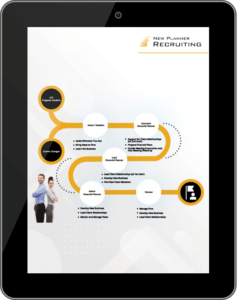 Download your free copy of the New Planner Career Roadmap! In this roadmap, you'll be guided through the details of various stages of your financial planner career, including position descriptions, licensing, skill and experience level requirements, and compensation ranges.
Get the Full Episode Transcript:

Read the Transcript Below:
Welcome to the New Planner Podcast, where it's all about helping you successfully enter the financial planning profession and accelerate your financial planning career. This podcast will help you understand the profession, become familiar with the various career paths available to you, and avoid the mistakes that limit your success. Join your host, Caleb Brown, to explore the human side of creating a successful planning career through interviews, personal experience, and insights from the trenches. Let's get started.
Caleb Brown: Welcome to 259th episode of the New Planner podcast. This is Caleb Brown, your host. My guest today is Lillian Turner, who is the founder of Daring Greatly Wealth. Lillian joins the show today to share how her interest in financial planning in high school has turned into owning her own firm. Lillian shared how growing up, her parents disagreed about money, which shaped her passion to help others like them.
She started college as an accounting major, then switched to finance, and then got an internship in financial planning through a career fair. She goes on to share why she moved to Arizona into a large RIA, where she was thrust into a lead advisor role when her boss left for the firm, but ultimately why I was not the long-term fit she had hoped for. Stay tuned to the end to hear why she opened her own firm and how she has navigated the flexibility and challenges along the way. I hope you enjoy this episode with Lillian Turner.
Hi, Lillian. Welcome to the New Planner podcast.
Lillian Turner: It's an honor to be here.
Caleb Brown: Hey. Yeah, absolutely. Well, good to see you. Good to meet you. And I'm excited to learn more as the episode unfolds, but maybe just tell us how you got started in financial planning.
Lillian Turner: Yeah, I'd love to. So as you mentioned, my name is Lillian. I've been in the industry since I graduated college, if not a little bit before. I'm turning 29 in October. So definitely still consider myself a next gen financial planner, but kind of aging out, figuring out, okay, what's next?
But I knew pretty early on that money was the space that I wanted to play in professionally and personally. I've just always been fascinated by the concept of money, the psychology behind it. I especially love the human side of money, but really everything surrounding it, and it's actually surprising because I grew up with a lot of scarcity around money.
It was something a parents would scream about with each other growing up, like there was just a, had a very negative connotation in my life as a child. I saw my parents go to work and work their butts off and there was just never enough money or never anything to show for it at the end of the day.
And so that led to kind of some personal spending behaviors that weren't so healthy later on that I've since worked through. But I will say like, I didn't always have a positive relationship with money, and I think that's important for people to know when they hear my story. So I think part of how I got where I am today is because I was so motivated to go back and help people who, basically were my parents when I was a young kid, learn about money and have a financial plan and understand how to optimize their wealth as soon as they can, versus waiting until it's almost too late and they can no longer afford to retire.
But I started out in college as an accounting major, realized really quickly that wasn't exactly where I wanted to be. I didn't wanna sit at a desk doing taxes all day, kind of Groundhog Day type vibe. I was like, I wanna be kind of, you know, people and I wanna be serving and helping others, and so I switched to finance pretty quickly, but there was no financial planning classes at the college that I went to, and I had absolutely no connections to any financial planners. So I joined the investment club, the student investment club, and was getting really involved with other peers in my finance classes. But they were all more of like the corporate investment banker track or international finance or analyst type roles is what they're looking for.
And I'm like, “No, I want something where I'm really helping people. I wanna see the impact of my work.” And I had done this really kind of bizarre business plan in high school. I was really involved with a club called DECA. DECA is like a national business club, and so many high schools around the country have them.
And that was kind of my sports in high school was I was a business club nerd, you know, president ran the school store and for some reason, my senior year, for competition, I decided that I was gonna compete in a entrepreneurship written event is the name of it, and write a 30-page business plan. And I had this immaculate conception moment where I was like, “I'm gonna launch a financial planning firm.” And I have no idea where that came from. Obviously, my parents never had a financial planner. We didn't talk about money, we screamed about it. We didn't talk about it. Financial literacy was like not a thing. And so I do not know, to this day, I do not know where that I did came from, but I ended up making it to international competition for the first time with this business plan, which is really cool. And I just poured my heart and soul into it and had really done research and talked to people and was like, “That's interesting.”
And I think entrepreneurship, too, for me, has always been something that I have just like innately been inclined towards. And so I knew at some point I wanted to launch my own practice. I didn't know when or what exactly it would look like, but it kind of all started in high school. And so, towards the middle of my college journey, I'm looking for internships.
And I was talking to different people. Again, like I had no connections to financial planners. I didn't know anyone in the financial planning profession, but I was feeling especially called to it. And I had tried to apply to a few different internships in wealth management or financial planning and just was not having any luck.
And so I decided to get on Tinder and I changed my age from like 45 to 65, right? And about one-third of the men that I would swipe through happened to be financial professionals. And so I would match every financial advisor that I saw on the app and I would send them a message like, “Hey, here's what I'm looking for. Would love to connect.” And I think I'm probably, what, 19 at this time. So, young, and obviously, they had never heard of FPA, the Financial Planning Association, had no idea what resources were out there. None of my peers were talking about financial planning or interested in financial planning.
So I felt like it was really just me trying to figure it out on my own and nothing really came of the Tinder thing, like I sure went back and forth message some people, learned more about the industry a little bit, but no one was open to grabbing coffee with me, which is kind of sad. But what it did show me is how badly I wanted to be in this profession.
I was like, “I will literally do anything. I will sell my soul to get a foot in the door, to start working as a financial planner, I just knew this is where I'm supposed to be.” And so about six months or a year after that, I was at a career fair at school and I found this company. It ended up being kind of a large broker-dealer type firm.
And I was like this time's really great. It was headquartered in Milwaukee, where I was in school, so I went online and I applied for every single internship opening they had. Obviously, I did the financial planning ones, but really anything. I was like, “I just wanna get my door at this company.” So I applied to 35 different internships and they offered me one.
It was in compliance in their anti-money laundering department. And I had no interest in doing compliance. But I was like, “Hey, I'll try it.” I'm getting paid, but also it's getting my foot in the door to this company. And so I worked at this company in compliance for about a year, and they would keep us in this closet, like no windows. You're just in this very tiny room with a few other people and you're on your computer all day, you know, running
Caleb Brown: Oh, yuck.
Lillian Turner: It wasn't the highlight, but I did really enjoy putting on a skirt and a blouse and heels and going into the office, and I really enjoyed the experience of being a working professional.
And that was so amazing for me because I was not having the best college experience. It was just, I went to a commuter school so there was no like football team, no real school pride. I feel that kind of missed out on that aspect of life, but to have found a really fulfilling career almost at 19, 20 was really cool and so I kept my blessings that I was able to find that, and worked in compliance for about a year and a half, networked around the entire time that I was in the firm.
They had a really great mentorship program, so I had a few different mentors during my internship years there. I was like one of the only full-time interns they brought on, or maybe not full-time, but year-round interns they brought on. So I was there in the summer, but also in the fall the year after that.
And I ended up meeting a female advisor through one of, they called them ARGs, but they were like resource groups or different kind of clubs at this program. And so I joined all the clubs. I joined the military club, the LGBTQ Alliance. I'm like, “I'm gonna meet all the people. I'm gonna join everything they offer.”
And I met a lovely advisor. She was a career transitioner, so she had a whole career as engineer and I just joined this company as a financial planner. She was honestly in her early fifties, I think, at the time, and she didn't have enough production for them to give her an actual like assistant to help her with her work.
But they're like, “Hey, we'll let you have an intern.” And so she invited me personally to come work with her, and so I moved from the 20th floor, which is like the compliance floor to the 28th floor, which is the big fancy wealth management floor.
Caleb Brown: There you go. Lot to unpack there. I mean, especially the Tinder thing. I mean, we may have to have you back on for a part two or part three. But what, just what speaks to me, just the, I mean, one, that you wanted to do this in high school, which is amazing, and I'm like, “How do we get more people interested in this in high school?” Because I mean, I think still think a lot of 'em are still trying to figure this out. And so that's one thing. And then just the links you went to to just get your foot in the door. I mean, I just, I gotta, I mean, don't see it that much anymore, just the desperation. So, unless maybe it's a virtual job and then you will get some of that. So, I mean, and great job on leveraging and just putting yourself out there and getting the internship. But maybe just keep going with how the mentor-mentee thing worked with the woman advisor.
Lillian Turner: Yeah, of course. So I was really excited when she offered me a spot as her intern. I was still going to school. I was probably a junior in college at this point. So, we'd go to school in the morning and then take the bus and step to downtown Milwaukee into the office almost every single day.
And I had a blast. I mean, I learned so much that first year. I was able to take my SIE, that first step of your series seven, while I'm still in college, which I think gave me a foot up too. And then just having hands-on experience with being able to be in client meetings, helping her with the investment reports or financial plans or whatever.
Of course, a lot of it was like menial, I'm printing things and binding things, but still it's really cool just to be in that environment. I had some other amazing advisors around me in that office who would talk to me and share things with me and ask about my aspirations. So it was a really good experience that first year and a half.
But I think part of me knew really early on, Caleb, that what I wanted to do was not just investment-focused. And so my senior year of college, as I mentioned, there was no financial planning courses or anything I could take to further my knowledge there. I'm so envious of all the kids now who have CFP programs in their colleges, like how cool, what an amazing opportunity.
But I didn't have that. And so I ended up doing this independent study as part of my honors college curriculum on the field of behavioral finance. And so I dove really deep into all the works of the OGs in this industry, around like the psychology of money, behavioral finance, why we think and act that we do around money, write so many books, wrote a hundred different reports.
And at that point, I didn't know the term for it, but life planning and financial therapy is really kind of the crux of what I was getting at. But again, I had no context for what that actually looked like. And I thought it, behavioral side of money was still pretty technical. But I was getting closer to what I wanted to do.
And I would share that with my coworkers at this broker-dealer firm, and they were kind of like, “Oh, like that's weird that you're into that. Like it's really all about sales and prospecting and you eat what you kill here. That's what you should focus on is read sales books and all that.”
Caleb Brown: Get the assets under management, right? “Come on, what are you thinking?”
Lillian Turner: All about AUM. All about AUM, and which is great, like some advisors love that and thrive in that environment. But I would just sit in some of those client meetings and see the clients like their eyes roll in the back of their head, eyes glaze over.
They're so bored. We're spending an hour talking about their stock market returns, like they don't care. And also, we can't control that. Like why are we spending so much time talking about what the market's doing versus talking about the client's goals and how we're aligning their money with their values and things that lead to their fulfillment?
'Cause money should be a tool versus just like an end goal, for example. And of course, for these advisors, just the way that you're paid when you're on an AUM basis is the more money you have under management, the more you get paid, the better you can provide for your family, which I totally understand.
But then we're less inclined to help our clients actually enjoy that money. And that bothers me deep inside that there's like this conflict of interest. And it was also just a really big firm. And so I remember I applied for, they called it their financial advisor training program. I was 21.
But for the year that I was going to graduate, I applied for this program and they wouldn't let me in. And I would still see, like I was one of the only females on this floor. It was all dads and they'd bring in their sons or their nephews and a lot of just male energy, which is again, is amazing.
But it was a very different focus than what me and this advisor were curious about and the way that we wanted to serve our clients. And we didn't quite fit, like almost the service model of how they wanted us to serve our clients. Like we wanted to go very deep and have a lot of touch points. And the name of the game was really like, “How many new clients can you sign? And how much money can you bring under management?” Versus like really serving our clients really, really well. But still, it was all I knew, right? And so I was drinking the Kool-Aid of this firm. And the second I graduated, I was kind of like, “Get me out of Wisconsin. I've lived here my whole life. I want something different.”
And so I moved sight unseen to Scottsdale, Arizona. This is 2019. And at the time, this firm that I was at didn't have any openings in their Scottsdale, Phoenix market. And so I started applying for other jobs, and I interviewed with a really great company, mid-size RIA in Scottsdale and loved them. But kind of at the last minute, again, from networking, I got connected back into their Scottsdale office of my original firm.
And they were like, “Hey, we actually do have a last-minute, like client specialist type role opening up and we'd love to have you join.” I was like, “Hey, well, I know the software, I know the people, I know their service model.” It just felt safer to stay with this company, but move states. So I ended up staying with this broker-dealer firm for another few years and Scottdale, and got my SIE, got my 66 right away. By December 31st, 2019, I was studying for my CFP.
So just cranking all of them out, working as a client specialist, ended up passing my CFP in the middle of COVID. I had to drive all the way to
Caleb Brown: Nice work.
Lillian Turner: Yeah. Thank you. Again, it was easier. One, it had just came off of studying for the vast majority of my life, so I was in that headspace, but also during COVID, there was nothing else to do and so I was just able to study and crank it out. But I had to drive all the way to Tucson because there were no openings in the Prometric testing center in Scottsdale because of the pandemic. And they were limiting things. And I remember wearing a mask the whole time and hyperventilating my mask and you couldn't even have water, like it was so ridiculous.
But ended up passing. And at that point I was, I'd had a few years of experience in wealth management. Obviously, most of it was as an intern, but I was like, “Hey, I know my stuff. I had my CFP.” Went to my branch manager and said, “Hey, put me in the game coach, like I wanna start prospecting, bringing business.”
I had built this whole website, Caleb, called Be Financially Fit, and I started to blog. I was really into fitness at this time, so I was posting analogies about fitness and finance and educating on Instagram. And I shared that with my branch manager and he was like, “You have to shut that down immediately. We can't have you doing any of that. It's a compliance problem. So you must shut it down.” And I poured like hundreds of dollars into this, which isn't a lot now, but as a 21, 22-year-old who's making 40 grand a year. Like it felt like a lot. And he was like, “I applaud your tenacity, your persistence, but you have to be a client specialist for another 10 to 15 years before we'll put you in the lead advisor role.”
And that was so disappointing to hear 'cause I was working my butt off and I would see them bring in, again, these like other 19, 20 year olds guys who were connected into the business and they'd immediately get promoted to advisor, either associate advisor or lead advisor, but they didn't have their CFP, didn't have any of their series exams, way less experience than I did. And they get promoted immediately and I'm like, “What is going on? This feels so unfair.”
Caleb Brown: So the men were getting promoted above you with lesser credentials?
Lillian Turner: Yes. And again, like there was no female advisors in this office, like I didn't see anyone that looked like me. And it felt so hard to wanna be something that you can't see, you don't see modeled in front of you. And I just felt very underestimated. Which, again, I get like I'm 22, like I'm young, but I have these credentials, I have some experience, I have the determination to go out and do this, and they're not even giving me the chance.
Caleb Brown: But wait a minute, didn't you have two years of experience before you graduated, when you graduated college?
Lillian Turner: Yeah, I had three or four years of experience by the time I got my CFP.
Caleb Brown: That's crazy.
Lillian Turner: Part of it's internship experience. But I was one of the only year-round interns at my original firm, and so had a lot more experience than the other newly graduated client specialist that they were hiring.
But I just felt very capped, a potential was very much capped at this firm. And the advisors that I worked with were not interested in financial planning at all. It was all the investment stuff, but at this broker dealer firm, like no one talks about the RIA space and no one I knew, again, like I didn't have any friends in this industry at this point, so I thought I have to stay at this firm, or I have to go bigger to like a Merrill or a Morgan somewhere huge. I had no idea, really, that you could go smaller, or like the difference between broker-dealer and RIA. No one told me that, and so it was like all I knew, and so I'm like, “Oh, it's safe. I need to stay here.” But it was just, I was miserable. And there was also like verbal abuse, sexual harassment, like just not a very healthy environment.
Caleb Brown: Oh no.
Lillian Turner: Yeah. But again, it's like the 1930s at some of these firms. Like it's an episode of Mad Men.
Caleb Brown: Why did you stick with all that stuff that you, why did you stick with all this? Why didn't, I mean, it would've been easy just to cash it in and say, “I'm done with you guys.”
Lillian Turner: Yeah. And there were times, too, where I thought that I might have to do that, I might have to leave the industry. But I wanted it so bad and I just felt this like innate calling, like I'm supposed to be here, I have to fight through and do this and make it work. And I kept telling myself like, “Oh, just be patient. Put your head down and work.” But after a few years of doing that, like nothing was coming from it.
Caleb Brown: Okay. So you got out of this firm. You got out of that firm, right?
Lillian Turner: I did.
Caleb Brown: Did you go somewhere else?
Lillian Turner: Yes. So, remember when I mentioned I was interviewing with other firms initially before when I first moved to Arizona? So when I was studying for my CFP, you can have a CFP mentor on the CFP board website, right?
You can request a mentor and I had requested like three or four CFP mentors 'cause they don't cap you. So I had been networking a little bit on the side, and one of the CFP mentors I had selected was actually the man who had interviewed me at one of these other firms back in early 2019 when I was looking for a new role.
And so we had a drink to celebrate me passing the CFP. This is like mid-2021 and he's like, “Hey, I'm launching a new division at this midsize RIA and I'd love for you to come over as an associate advisor and help me build up this division.” Which is really cool, and I was terrified. I was like, “Oh,” it doesn't feel, it feels risky to leave everything that I know, this broker-dealer firm is everything. It just feels safe and comfortable. But again, like I'm so capped on what I can do and how I can progress, and so it was scary. I almost said no, but I ended up leaving. Thank God. Should have left a lot sooner, but better late than ever. So this is like June, 2021. I'm starting out at this brand new mid-size RIA in Old Town Scottsdale area.
So again, in an in-person role. And what's funny is it was still kinda in the middle of the pandemic, right? So my first day there was like three or four people there out of the 20 or so that work in this office. And I actually met my current fiancé on day one at that firm. He's also a CFP there.
Caleb Brown: There you go.
Lillian Turner: So that was really cool, but it was like night and day between the broker-dealer firm, this RIA, I had a lot more kind of autonomy over my time. I was helping clients in the way that I wanted to help them. And we also worked primarily with next gen or the mass affluent clients in this new division, versus, which mostly retirees and rich old folks at this broker-dealer firm, which again, awesome people, but just, it was hard to relate to, I think, to that demographic.
And I knew I'd gone into the industry, right? 'Cause I wanted people to, like my parents, young families build wealth, and I really love the educational piece of financial planning, teaching, and empowering others to build wealth, versus helping the ultra wealthy get even richer. Again, awesome to do that, but just less fulfilling to me personally.
So to be in a role where I was doing that, where I was educating the mass affluence, it really, again, felt the impact. And so was love, love, loving my new role. But about six months in, I'm flying home from my uncle's funeral in Indiana and I get back to Phoenix and I'm checking my LinkedIn and I'm getting all these messages from other advisors and like higher up at this mid-size firm saying, “Oh, congratulations, we're so happy for you and you're gonna do great.”
And I'm like, “What is going on?” Like I just got back from a funeral and it turns out that the man who had hired me was leaving the firm and it was just him and I and the division that we had built over the last six months, it was called Open Plan, was the name of this team. And so he ended up leaving and it's just me.
And I'm an associate advisor still, right? I'm 24 at this point. And the like upper, you know, upper boss, whatever, branch manager comes in and asks me like, “Hey, do you wanna run this division?” And I'm like, “Sure.” But did not feel ready. Still relatively new. Obviously, all the dedication and persistence in the world to like figuring it out.
But it was a very scary moment of like, “Oh my gosh, how am I gonna do this on my own?” And I had a lot of resisting clients who knew me as this associate advisor and to suddenly come in and say, “Hey, I'm actually now your lead advisor and it's just me in the division.” And so some of them were unhappy or like, “What is going on? You're so young, like you shouldn't be advising us.” And it was a really tough six months of just drinking from the fire hose, but I ended up hiring three or four different teammates after that. And so over the next year and a half, like really built out this amazing, beautiful team. We were serving 10x the amount of clients that we had at first.
Caleb Brown: Lillian, can you just go back to stuff you said earlier, like when the clients were pushing back on that, “Hey, you're too young.” Like, what were you saying? What did you tell them?
Lillian Turner: I honored it. Like I said, “Like that's valid. I totally get where you're coming from. I'd probably think the same thing, but also at the same time, like I know your plan. I've been with you for the last six months. I'm really dedicated to serving you and being here for you. And anything that I don't know, like I am dedicated to finding it out. Other people could pull in other advice, other teams that would sit in on meetings with me if I wanted it.” So I always offered that to like, if you want additional support, I'm happy to pull in someone extra. And people, they understood, like they got more comfortable with me.
I think part of it, too, was I hadn't had a lot of time speaking in the meetings prior. So once they got to really sit down with me and see, like, “Hey, she actually does kind of know her stuff.” I've just, prior to that, I kind of in the background like taking notes, right or doing just smaller portions of the meeting. And so once they saw me really in action, it got a little bit better, but it was terrifying.
Caleb Brown: Well, they stuck around because you hired some, you said you hired more people, so they obviously must have stayed.
Lillian Turner: Yeah, we had a lot of people stay for sure, but also the nature of the division, it was on a monthly subscription basis.
And so there just naturally was more turnover, I think, than some of the other AUM-type offerings at this firm. So people did leave, but also some of it, they would've left anyway. And we made a lot of changes when I hired a new team and I could really overhaul everything and build it how I wanted it to be.
And so that came with pricing shifts and all that. But it was a really cool experience to go through that. But still, part of me was like I have to have a certain amount of clients, like a really full client load. I can't go as deep with clients as I want to. I can't do the life planning. Some of the financial therapy stuff that I wanted to do with these clients, it was very base level. They're not paying us a ton of money, so you know, they get a eMoney financial plan and then it's kinda like wham bam, thank you, ma'am. Like that’s, you know, they're kind of off on their own and we need to bring in more clients.
And I was in a serving role. I wasn't necessarily in a prospecting role, which is really, really great, but I wasn't serving them to the level that I wanted to be serving clients and having that impact, again, that I wanted to have. So I built this team and they were some of the most amazing humans to this day that I still know.
I had some issues with my compensation. I was still the late, the lowest-paid person on that team despite having built this team. I was making like a third of what everyone else was making. So, didn't love that. Still very much felt like a good old voice club at the top of this company. Again, such a better culture than my broker dealer firm.
But there was no, very little, very, very few women in leadership, and again, was just, yeah, there were some red flags, but it was great. It was great, and I could have stayed longer. At that point, though, I'd started planning out how I wanted to launch my own practice. At some point, I was thinking more about entrepreneurship and I was doing a program at Golden Gate University, a grad certificate in financial life planning.
And I met another student and I shared that I wanted to launch my own practice at some point. And he's like, ‘Hey, you have to meet my mentor.” And so he introduced me to his mentor, who had launched his own practice on the East Coast a few years ago. And this mentor was like, “Hey, I'm happy to help you launch your own firm, or if you wanna come work for me, I have a lead advisor role open for you.” And I had made lead advisor at 25 at this mid-size RIA, so that was great. I had the title, but again, the compensation wasn't where I felt my value was. I didn't have as much say as I wanted to. I couldn't serve clients the way I wanted to with this new firm, was more of a solo RIA type, fully virtual, and they were doing financial life planning and I really admired the way that he'd ran his business and I was like, “Okay, I've tried a really big business. I've tried a medium-sized firm, and wonder what it's like to work at a really small, like three or four-person firm.” So I ended up leaving. This is the end of 2023. I ended up moving again, my third and final before I launched my own practice.
Caleb Brown: But you're still in, you were still in Scottsdale. You just worked for, you left the other RIA, went virtual.
Lillian Turner: Mm-hmm.
Caleb Brown: So how did that go? Because this is the life planning person.
Lillian Turner: Right. Yes. It was a very different transition. I love remote work, though. I'm someone who would just prefer to be home if I can. So I think it was an easier transition for me than someone like my fiancé, for example, who really loves the social aspects of being in an office.
And not that I don't miss that sometimes, but I'm very comfortable working at home and I hold myself accountable to staying on task, if you will. So that was really cool. The clients were amazing at this final firm. It was people that were really open to more of an in-depth style of planning.
They were open to the life planning work that we were doing. My pay was fantastic, so I was finally getting paid what I felt like I was worth at that point. And it was cool to have a say in the business decisions of how the team was run, what software we’re using. And because it was solo, like you were, you're wearing so many hats.
But I loved that aspect of it, and it felt very much like a startup vibe, and it was just exciting. Things were constantly shifting. The team was amazing. It felt like a little family and we would do in-person retreats and see each other at conferences. So I still met them in person and it was a really great fit.
And at that point, I kind of stopped thinking about launching my own firm. I was like, “Okay, at some point it's gonna happen, but I'm not ready just yet.” And I could have seen myself like making partner at this firm at some point. Like that's how much I loved the team and the work that we were doing.
There were still some things that didn't feel super exciting to me. Like we were kind of moving more towards focusing on all along, there was an income limit, right? So clients had to have 200,000 or 300,000 a year minimum for us to work with them, which I didn't love, 'cause again, I love helping those who we don't fit that typical model.
But we weren't doing AUM and towards the end, we were also kinda moving more towards the technical complexities of clients that have equity compensation or business owners, or just had some financial complexity because the owner loved that. He loved the technical side of money, whereas I was like, I really just wanna play in the life planning space, the extent that I can in the teaching and educational side of things.
So things were shifting a little bit. We ended up losing a team member, life happened, and then towards the end of 2023, so I'd been there about a year, a little bit less. Yeah. The owner just completely had a change of heart of how he wanted to serve clients, who he wanted to serve. He let go a ton of my clients who I had loved, and it was very sad to like see them go and just see them forced out.
He totally changed the demographic of who we work with. So it had to be people who made at least 500 grand a year and had tons of advanced technical complexities. And so I was having, I was being forced to learn all about this stuff, about equity, compensation and the tax planning.
Caleb Brown: They went upstream.
Lillian Turner: Yeah, they went upstream. Which makes sense. And so many firms do that, right? It makes sense from a revenue perspective. And if you wanna have a lifestyle practice, like I get it, but it wasn't feeling aligned and he ended up renegotiating my contract at the end of the year, revoked my bonus, which felt really icky to me, like he had promised this and the new offer that he gave me was less pay, less benefits and double the work because when our advisors had left and he wanted me to take over everyone that his advisor
Caleb Brown: Ooh, ouch.
Lillian Turner: And my friend, that doesn't feel aligned. I don't feel valued with this offer, but I was done at all, like financially or emotionally ready to launch my own business at this point. I kind of had this month of what do I really wanna do? And part of me could not envision working for someone else ever again after this. But also just after everything that I'd seen, all the corporate BS that I'd been through. I was really craving full autonomy and authority over what I was doing.
But also, I'm like, how do I even, I couldn't imagine myself in an interview talking to another firm and explaining all this, like it just felt so crazy and so silly, and so I was like, maybe this is just my sign from the universe to go off and launch my own practice and just try it out. I'm young. I don't have a mortgage, I don't have kids. There's very little risk. I could go bankrupt.
Caleb Brown: Well, you could always just go get another job if it doesn't work out, right?
Lillian Turner: That's true. I can always go back. And it was like January 1st. This is, yeah, January 1st of 2024. And so it just felt like a fresh start. I'm like, I don't have to file two different taxes.
I can just do business owner versus W2 Amazon. So that to me was like, “Oh, maybe it makes sense to just try this out.” But because I launched so fast, like I'm calling what I did “sudden entrepreneurship”, obviously, sort of pre-planned, but not really. Because I launched so fast, I was like, “I don't want to file as an RIA and wait eight months for my ADV to be approved from the state of Arizona and sit on my ass for eight months and not bring in money.” And so I'm like, “I'm actually not gonna launch an RIA,” which had been the original plan years ago. I'm just gonna launch an LLC, I'm gonna call what I do more of financial coaching, financial life planning, and do everything but the investment side of things.
And so that was a crazy me living room was like, “What are you doing? Like you have to do AUM or you have to have Holistiplan,” and all this expensive software. And I was like, “No, I'm gonna run really lean this first year and I'm just gonna use Monarch money and I'm gonna serve who I want to serve, how I wanna serve. And it's gonna be really in depth and a lot of handholding and more focus on the emotional complexities around money.” And so everyone thought I was crazy. My mom was like, “Don't do it. Stay with your boss. You know that's safe.” And I'm like, “Yeah, but I don't want safe. I want fun, exciting and impactful.” And so yeah, it's been a year and nine months and we're still here. A lot has changed.
Caleb Brown: But you have the RIA now, or is it still just the coaching, LLC?
Lillian Turner: It's still just an LLC, which is crazy.
Caleb Brown: Okay, interesting.
Lillian Turner: So never say never. I have it, part of me says file an RIA, go that route. And I get asked all the time to manage assets for clients.
Again, there's again that like moral conflict of interest for me and I just don't enjoy that side of things. So part of me is like why would I do that if I don't enjoy doing that? And a lot of my clients are younger, so twenties, thirties, or they're more at the beginning of their wealth-building journey.
And so we end up using robo-advisors like Betterment to manage their money or everything's in a 401k. So it doesn't necessarily even make sense for me to file as an RIA firm; that's who I'm working with. Investment is not what I wanna be doing.
Caleb Brown: Kudos to you on setting up a firm that how you wanna operate. I mean, versus, I mean, kind of I feel like when I got started a long time ago, it's like you didn't really have all these options that you have now, which is great. And that's a testament too, how the profession has shifted and evolved and adapted and it's been awesome. So, man, there's a lot going on.
So, I mean, just maybe tell us like, how's it going? I mean, you said you've been doing it for, since January, early January of 2024. Is that right?
Lillian Turner: Yeah, January 6th is when I filed my LLC.
Caleb Brown: How's it going?
Lillian Turner: I'm having a lot of fun. I'm learning a lot. I'm growing a lot, but I, again, I can't imagine my life any other way at this point.
I love that I can go to hot yoga at 10:00 AM or see a movie at 2:00 PM, like no one's telling me what I can and can't do. And a lot of times it doesn't feel like work 'cause I really, really love what I'm doing. I get to do almost entirely the things that I enjoy doing, right? So, of course, I still have to do bookkeeping and I have to do operations work a little bit.
But for the most part, I'm choosing who I work with, how I serve them. I found ways to market myself that I enjoy. So at the beginning, I was trying 80 different things, 80 different ways to promote my business. I had an advisor friend who built his entire book of business on Reddit by commenting on the personal finance Reddit threads.
So I tried that for a while, didn't enjoy it, tried the blogging, tried the YouTube, didn't love that. But I've really found a lot of joy and meaning in doing social media marketing on Instagram, TikTok, and threads. So that's mainly where I play now. And it feels like I'm serving. So even if no one ever comes in, I still feel like it's a good use of my time because I'm educating other people, and I wish that like my parents, right, had been able to follow me as a kid, you know what I mean? Like, had access to someone sharing information. And I think that my superpower, Caleb, is talking about money in a way that makes it fun and exciting and empowering. So I use really cool analogies or I make like funny videos that make you actually want to talk about money with your spouse or to learn about money.
It's a whole different way of educating in the, you know, kind of I call it pale male and stale approach, like a guy in a suit and he is talking about insurance. It's boring. Who wants to watch that? It's your college professor
Caleb Brown: Pale male and stale. I gotta, that's hilarious. I'm gonna have to use that. Ellen Morgan said, man, he was like mantle. He would always call these panels mantles or something, or these are, okay. Gotcha. All right, we'll make sure we link to that in the show notes and give you credit.
Lillian Turner: Okay. I love it. Yeah, but I mean, that's what it is. That's what it is at a lot of these firms still, and I couldn't find what I was looking for, and so I had to create it, and I think that's really cool that I do exactly what I wanna be doing at my firm now. And not that it's not gonna shift a hundred ways 'cause it is, but I do a lot of one-to-many. So I have group programs, I have courses that I launch, I do like webinars and different fun, like short-term things. I'm writing a book and so once that comes out, I'm hoping I can do a book tour and get more speaking gigs.
I love talking in national stages and just educating the masses in a way that makes it fun and exciting to learn about money. So that's kind of a long-term play. But again, who knows? Maybe there's a world where I do build a team and there's other financial planners and I am an RIA and I don't think we'll ever be managing investments. But never say never. It's a whole new world, but it's really exciting.
Caleb Brown: Lilly, that's awesome. What a story. I mean, man, that's quite the journey I gotta tell you. And I mean, you've only been at this about five years or so.
Lillian Turner: Yeah, it's been a lot in the last five years. But I mean, 2017, I think, is when I got my job at the first firm, right? But intern, being an intern is very different than working full-time in the world. I've been a CFP, but I've been A CFP since 2021. So yeah, four years of being a CFP. But again, If I'm not at work, I'm listening to podcasts, past me listening to podcasts or reading every single personal finance I can get my hands on, networking constantly.
I'm very involved in the financial planning association. I'm actually national next gen chair for next year, so I get to run the entire show. But prior to that, I built our local next gen chapter here in Arizona. And so a lot, even the, so the 10,000 hour thing, right? So I've far surpassed my 10,000 hours in the industry despite how young I am.
Caleb Brown: Well, let me ask you that. Do you think your risk, 'cause you said earlier I wanna stay kind of with a safe option, and then as your career progressed, like, “No, my family's telling me to stay with this.” Has your risk tolerance always been high? It didn't sort of manifest until you got a little older? Is that what happened there or what? What happened?
Lillian Turner: Ooh, that's a good question. I think with that a lot, 'cause one example is me moving from Wisconsin to Arizona, sight unseen. I don't know if I mentioned that, but I had never been to Arizona in my life, knew no one, like it was a total YOLO move, no job until the last minute, it worked out.
So that mix in high risk tolerance has, is naturally a little bit higher. But I think part of it, too, Caleb, is just loyalty. If someone's good to me, then I'm really, really good to them. And so there were so many good things about that. First, where I worked at. They took a chance on me initially, and so I felt like I owed them a certain amount of years or dedication before I left.
But also just the fear of the unknown initially. Like I really didn't think it could get any better than where I was and it was really bad where I was at this first firm towards the end, but I was, I just had very little hope or there was just a lot of fear maybe about what another firm would look like.
'Cause I had no context. All I knew was that first firm. And so once I got to see, “Oh, it actually could get better and there's different ways of doing financial planning and advisors actually do also care about kind of that next gen or that mass affluent and not just the high net worth,” it opened up all the different doors for me of okay, like I saw and I could believe that it was possible.
So once that happened, I think it was easier to take more chances. But my self-confidence too, I think, was built from being in the fire right when my boss quit at that firm, number two, and I had to run the whole division by myself at 24. Like I grew so much as a person, as a professional through that, because when you're drinking from the fire hose, it forces you to grow and evolve really, really fast. And so that increased my self-confidence. And then being at this third firm and being a lead advisor and fully taking on client relationships. And again, that built my self-confidence to say like, “Okay, I actually could do this on my own.” I think if I hadn't had all three of those experiences, I would not have been equipped to launch my own practice either.
I think it happened because it had to make me into the human that I am and the professional and the planner that I am today. I truly believe that it was all meant to be, even though there were really hard parts in that journey.
Caleb Brown: That's amazing. Well, any, I mean, you've already covered a lot of ground and given us a lot of takeaways, but any final thoughts or comments you wanna leave us with?
Lillian Turner: So many, I could talk about this all day long. So many things. So many things. I think I do believe the industry is really shifting. It really needs to be impact over income and I think clients are really desiring this coaching. You don't have to be a financial coach per se, with this coaching style of leading this behavior change style.
This financial sherpa, like having some, being equipped to discuss the emotional side of money is really important and clients are really starting to resonate with that. 20 years ago they were not ready to talk, to align money and life, that there were two separate things. But money is just every single thing that we do, every single aspect of our lives.
And so it's silly not to bring our life into our money and into our financial plan. And so they said that we can equip ourselves now as next gen planners, getting theirs to life planner designation, the CEFT, the CFT, taking financial therapy courses, like taking financial coaching courses. Just building that skillset as a planner, I think, is gonna be so important and really put you ahead of the game in the coming decades. That's where the industry is going. I fully believe that. And what clients are desiring. And just don't be afraid to get creative and think outside of the box. The solo firms that I see doing really well are having completely bizarre niches or doing things that no one's ever done before or styling their service model completely different.
And so don't be afraid to be different. Like this cookie-cutter approach, we think works, but at the end of the day, it just makes you look like everyone else. And I don't know, like people want something different and fun and sexy. So don't be afraid to be different and to stand out.
Caleb Brown: Lillian, thanks so much for coming on the show.
Lillian Turner: Of course. This has been a blast.
Thanks for joining us for this episode of the New Planner Podcast. If you are ready to discover the top career paths for financial planners and see which track is best for you, we created a free guide to help you. Grab your copy of the Financial Planner Career Roadmap at newplannerrecruiting.com/roadmap. There, you'll also find more tools and resources all created to help you build a successful financial planning career. Tune back in next week for another episode, and until then, we are here to help you succeed.
Share the Love:
Never miss an episode by subscribing via Apple Podcasts, Spotify, Amazon Music, YouTube Music, or by RSS!



Leave a Reply